
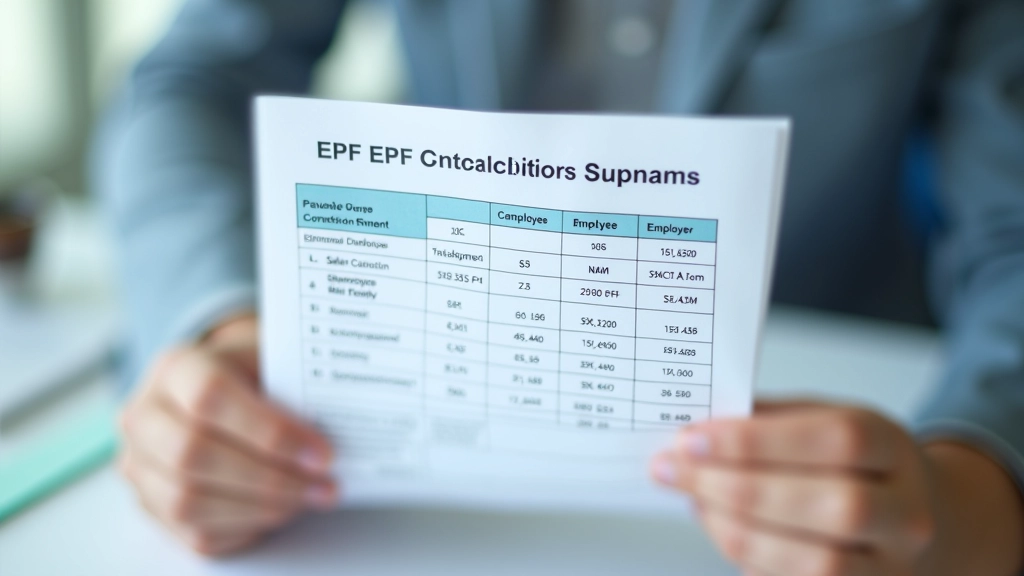
EPF Contributions Explained — Employee vs Employer Portions
How much goes in, where it comes from, and why the employer’s portion matters even though you don’t see it in your bank account.
Read GuideEPF, SOCSO, PCB, EIS — what each deduction means and how they affect your take-home pay

Three essential guides that explain the deductions everyone gets confused about
How much goes in, where it comes from, and why the employer’s portion matters even though you don’t see it in your bank account.
Read Guide
PCB isn’t a flat rate. We explain the brackets, how much you’ll actually pay based on your salary, and why it changes at certain income levels.
Read Guide
Two separate deductions that fund your social security and employment insurance. Here’s what happens if you need to claim and why both matter.
Read GuideA typical Malaysian salary has more moving parts than most people realize
Your payslip shows gross salary, but you’ll never actually receive that amount. That’s not a mistake — it’s how the system works in Malaysia.
EPF comes out automatically. So does SOCSO. Then there’s PCB tax, which changes based on your income level. And EIS on top of that. Some people think they’re losing money. Actually, you’re building retirement savings and insurance coverage.
The real question isn’t why so much gets deducted. It’s whether you understand where each ringgit is going and what you get in return.
Learn The Details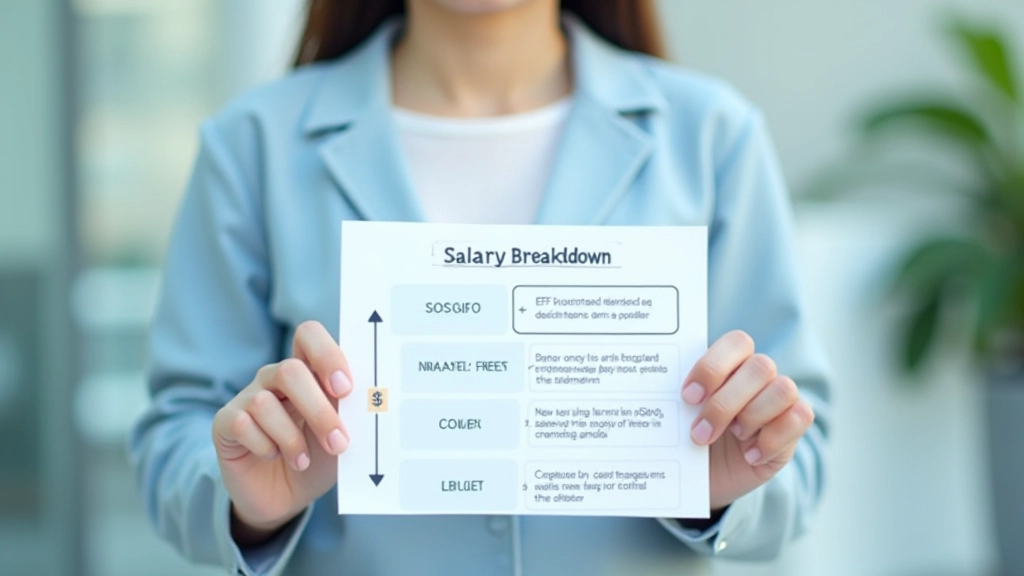
From gross salary to net pay — here’s what actually happens
This is what your contract says. It’s not what you’ll take home, but it’s the starting point for every calculation. Most people forget this number isn’t their actual pay.
EPF (8-11% depending on age), SOCSO (0.5-0.8%), and EIS (0.2%). These come straight out. You don’t have a choice — they’re legally required. But you do get something back later.
This one’s confusing because it changes. Not everyone pays the same percentage. Your income level, number of dependents, and relief claims all matter. We break down the actual brackets.
What’s left after everything. This is the actual money hitting your bank account. It’s usually 20-30% less than your gross salary, but now you understand why.
Real confusion about payslips, answered clearly
It’s not — you’re just noticing it because it’s a big number. For someone earning RM3,000, it’s about RM300. That’s 10% of your salary going toward retirement. Your employer matches it (roughly), so you’re actually building RM600 in retirement savings monthly. That’s the deal.
Not really, unless you claim relief. Medical expenses, insurance premiums, education fees — if you have dependents or certain expenses, you can claim relief. We’ve got a guide on what qualifies. But the basic rate? That’s fixed based on income brackets set by the government.
It funds your disability and accident insurance. If you get injured at work, SOCSO covers medical costs and wage replacement. If you become permanently disabled, it provides a benefit. You don’t “get back” what you paid — it’s insurance, not savings. Most people never need it, which is the point.
Because it kind of is, except it’s not actually a tax — it’s employment insurance. The 0.2% you pay helps fund unemployment benefits if you’re retrenched. It’s small, but it adds up. And it’s mandatory for everyone earning below RM4,000 a month.
Yes, but it’s complicated because PCB depends on your bracket and relief claims. We’ve created guides for common salary ranges. You can also use the official calculator on the Inland Revenue Board website, but honestly, our breakdowns are clearer.
Usually no — unless your salary changes or you have bonus months. PCB is calculated monthly based on your monthly gross salary, so bonuses get hit with their own tax. Some people get a surprise when they see a bonus payslip with a higher deduction rate.
Real reactions from people who finally understood their payslips
“I’ve been working for 8 years and didn’t know EPF was being matched by my employer. Thought it was just coming out of my pocket. The breakdown made so much sense.”
— Rizwan, 31
“PCB always seemed random. Didn’t realize it was brackets and relief claims. Now I actually know why my friend paying the same salary gets a different amount deducted.”
— Siti, 28
“Got a bonus and was shocked at how much tax came out. Turns out bonus months calculate differently. Wish I’d known that before — would’ve managed my expectations better.”
— Amir, 35
“SOCSO and EIS felt like theft until I read why they exist. Actually makes sense now. It’s not money disappearing — it’s insurance I’m not thinking about until I need it.”
— Deepa, 26
Payslips shouldn’t require a finance degree to understand
Ask someone what EPF actually is, and you’ll get vague answers. “It’s retirement savings” is technically true, but most people don’t understand the mechanics. They don’t realize their employer is matching their contribution. They don’t know what happens if they switch jobs.
PCB tax? “It comes out of my salary” — but they don’t know the brackets change, or that relief claims matter. SOCSO and EIS feel like random deductions that disappear into government black holes.
This site exists because you shouldn’t need a professional accountant to read your own payslip. We break down each component clearly, with actual numbers and real examples. No jargon. No fluff.
Browse FAQ
Tools and information to help you understand your compensation better
Enter your gross salary and we’ll show you exactly what comes out, section by section. Works for most salary levels in Malaysia.
A one-page reference guide you can print and keep at your desk. Explains each line item on a standard Malaysian payslip.
PCB brackets updated annually. We’ve compiled the current tables so you can see exactly which bracket you fall into.
What to do if you need to claim SOCSO benefits, how the process works, and what you should expect from start to finish.
Medical expenses, education fees, insurance premiums — see what qualifies for PCB relief and reduce your tax burden legally.
Switching employers? Here’s what happens to your EPF, when you can withdraw it, and common mistakes people make.
We’ve covered the major topics, but every salary situation is different. Send us your specific question and we’ll break it down for you.
Get in Touch